Start with the way the door is used
A frequently used garage entrance has a different operating pattern from a door opened occasionally for storage. Tell us how you use the garage, whether anyone has noticed new sounds, and whether the door has needed recent repairs. This context helps make a maintenance discussion specific to the household and the equipment.
Searching for garage door repair near me does not always begin with a complete failure. A new hesitation or change in travel can be a reason to ask about maintenance. Describe the change and avoid assuming that lubrication alone will address it.
A maintenance conversation should have a purpose
Ask which observations and checks are proposed for your door. Topics can include visible wear, hardware condition, door movement, counterbalance concerns, and opener safety functions. The relevant scope depends on the equipment and its condition, so a useful discussion should explain what is being reviewed and why.
Maintenance cannot establish that a component will never fail. It can bring existing concerns into view and support decisions about them. If the assessment identifies a repair need, ask for a separate explanation of that finding and how it relates to the symptom or wear observed.
Lubrication should be selective
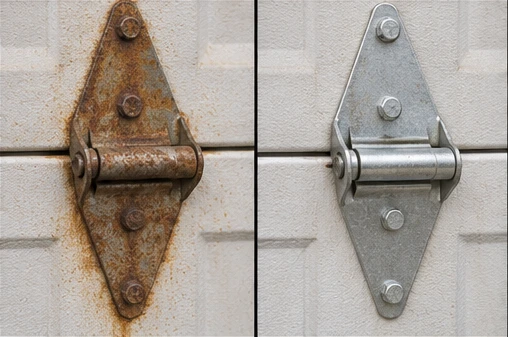
Different parts have different lubrication needs. Hinges, spring systems, and roller designs may have component-specific instructions, while indiscriminate application can leave residue where it does not help. Grease packed into a track can collect dirt and is not a substitute for addressing a damaged running surface.
When choosing a garage door repair service near me for maintenance, ask what guidance applies to the hardware you have. A useful recommendation identifies the appropriate locations and products. More spray is not a measure of better maintenance, especially when the original concern is binding, uneven travel, or a damaged component.
Safety functions deserve their own attention
A door completing a cycle does not by itself establish that its protective functions are working correctly. Sensor condition and reversing behavior should be discussed in relation to the opener model's instructions. Do not bypass a sensor or experiment with improvised reversal tests when the system is already behaving abnormally.
For garage door repair in Burbank, IL, mention any inconsistent closing, unexpected reversal, or change in control response during the maintenance conversation. These observations should not be lost under a general request to quiet the door. Describe them separately so each concern can be considered.
Household observation between maintenance visits
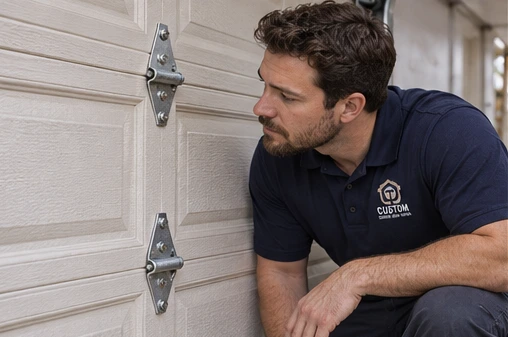
Keep storage clear of tracks, sensors, and the door's travel path. From a safe position, notice new wear marks, loose-looking parts, frayed cable material, or a door that begins resting unevenly. Keep a brief record of changes rather than repeatedly operating the door to see whether a symptom disappears.
Observation does not require tension adjustments, bracket removal, or electrical access. If a spring looks broken, a cable is displaced, or a roller has left the track, stop operation and discuss repair. Those conditions need a different response from ordinary cleaning or a routine maintenance question.
Build a practical record for the existing door
Save model information, repair descriptions, and any maintenance guidance provided for your equipment. A short record of what changed and when is more useful than trying to remember an intermittent sound months later. Maintenance timing should reflect use, condition, manufacturer guidance, and previous findings rather than an assumed interval for every household.
Call Custom Garage Door Repair at (708) 627-9744 or email [email protected]. Hours are daily, 8am–8pm. Share any active symptoms when arranging maintenance and confirm availability by phone. If the door is currently unstable, describe that condition before discussing a visit.
Questions homeowners ask
How often should my garage door receive maintenance?
Use the equipment instructions, operating frequency, and observed condition to guide timing. Discuss previous findings and changes in use rather than assuming every residential door needs the same schedule.
Is maintenance the same as a repair?
Maintenance reviews operation and condition. If a damaged or unsuitable component is identified, the proposed repair should be explained in relation to that finding, with the scope discussed before work proceeds.
Can maintenance prevent every breakdown?
No. Components can develop faults between checks. Maintenance can identify existing concerns and guide care, but it does not establish how long every part will continue working.
What can I do between maintenance appointments?
Keep the travel path and sensors clear, notice changes from a safe distance, and retain equipment instructions. Leave spring, cable, and loaded bracket adjustments to appropriate repair work.
Should I wait for maintenance if the door becomes crooked?
No. Stop operating an uneven or unstable door and call to discuss the condition. A sudden change in alignment may involve the lifting or guiding system and warrants specific attention.